If you are in Las Palmas de Gran Canaria to learn Spanish, why not combine it with a gastronomic adventure? This beautiful island offers not only stunning landscapes, beaches, and cultural attractions, but also a rich and diverse cuisine that reflects its history, geography, and climate. In this article, you will be introduced to some...
If you are in Las Palmas de Gran Canaria to learn Spanish, why not combine it with a gastronomic adventure? This beautiful island offers not only stunning landscapes, beaches, and cultural attractions, but also a rich and diverse cuisine that reflects its history, geography, and climate. In this article, you will be introduced to some of the best Canarian dishes that you can try while learning Spanish in Las Palmas and explain why you should not miss them.
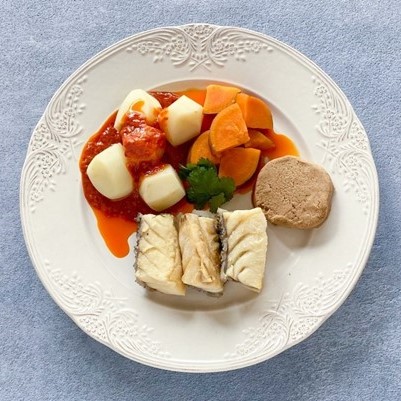
Credits: Mónica Cánovas | bonviveur.esSancocho is one of the best-known dishes of Gran Canaria. It is a hearty stew made with salted fish (usually wreckfish or sea bass), potatoes, and a spicy sauce called mojo. The fish is soaked in water for several hours to remove the excess salt, and then cooked with the potatoes until tender. The mojo sauce is made with garlic, olive oil, vinegar, cumin, paprika, and peppers, and it adds a lot of flavor and color to the dish. Sancocho is usually served with gofio, a roasted cornmeal that is mixed with water or broth and shaped into balls. Sancocho is a perfect dish to enjoy on a cold day, as it warms and fills you up. It is also a great way to taste the local fish and potatoes, which are very fresh and high-quality.
Potaje de Berros
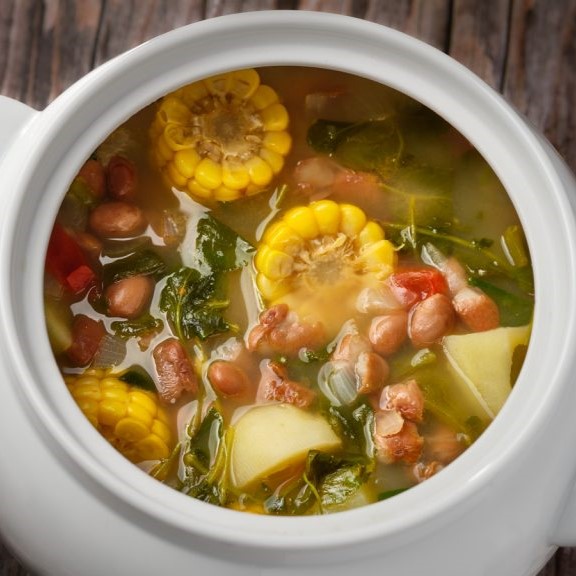
Credits: Noelia ChineaPotaje de Berros, or watercress stew, is another traditional soup that is very popular in Gran Canaria. It is usually made with watercress, potatoes, onions, corn, garlic, cilantro, saffron, and eggs. The soup is simmered until the potatoes are cooked, and then finished by cracking some eggs into the pot. The result is a thick and nutritious soup that has a distinctive green color and a fresh and herbal flavor. Watercress stew is often served with cheese, bread, or gofio, and it is a great way to get some vitamins and minerals from the watercress, which is a local plant that grows abundantly in the island. Watercress stew is also a vegetarian-friendly dish, as it does not contain any meat or fish.
Papas Arrugadas con Mojo
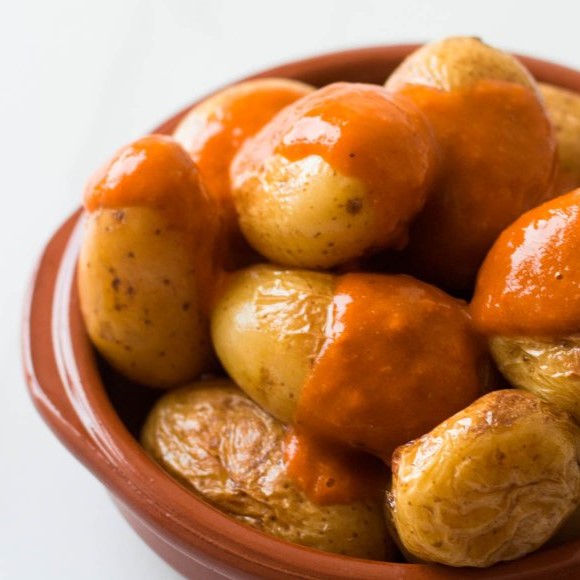
Credits: Fabian LeonPapas arrugadas con mojo, or potatoes with mojo, are a must in any Canarian meal. They are small potatoes that are boiled in salted water until they are wrinkled and soft, and then served with two types of mojo sauce: green and red. The green mojo is made with cilantro, garlic, olive oil, vinegar, and cumin, and it has a fresh and tangy flavor. The red mojo is made with peppers, garlic, olive oil, vinegar, paprika, and cumin, and it has a spicy and smoky flavor. The potatoes are dipped in the sauce of your choice, and they are a delight for the palate. Potatoes with mojo are a simple but satisfying dish that showcases the quality and variety of the local potatoes and the creativity of the Canarian sauces.
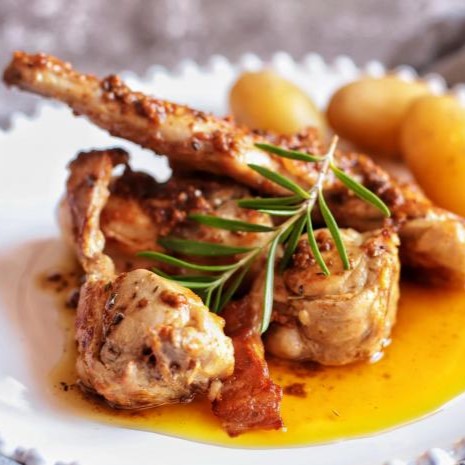
Conejo en Salmorejo
Credits: Ana Casanova | lavanguardia.comConejo en salmorejo, or rabbit in salmorejo, is a traditional dish that consists of marinated, sautéed, and cooked rabbit meat. Rabbit liver is usually added to the mix, along with garlic, olive oil, white wine, vinegar, peppers, and spices such as cumin, paprika, and thyme. The salmorejo sauce (not to be confused with the eponymous soup) gives the meat a lot of flavor and moisture, and makes it tender and juicy. Rabbit in salmorejo is usually served with roasted potatoes or bread, and it is a dish that is enjoyed by both locals and visitors. Rabbit meat is lean and high in protein, and it is a delicacy that is not easy to find in other places.
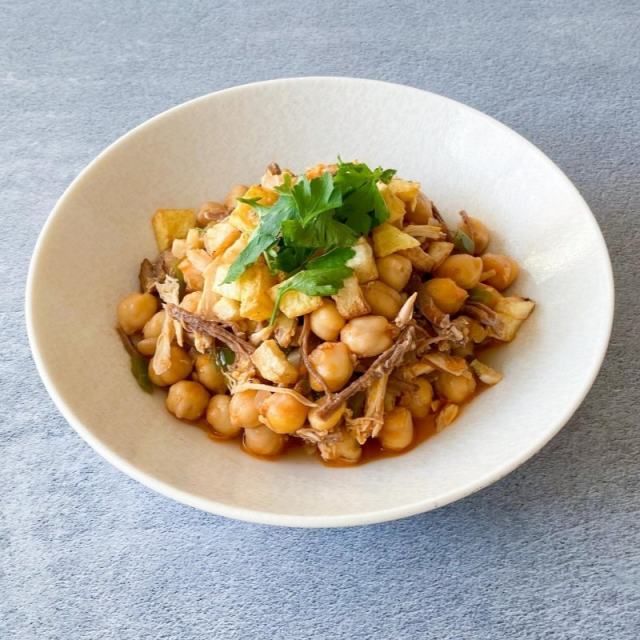
Ropa Vieja
Credits: Mónica Cánovas | bonviveur.comRopa vieja, which literally means “old clothes”, is a dish that is made with leftover meat and vegetables from other dishes, such as sancocho or puchero. The ingredients are shredded and cooked together with tomatoes, onions, garlic, peppers, chickpeas, and spices, creating a flavorful and comforting stew. Ropa vieja is a dish that is very common in Spain and Latin America, but it has a special place in Gran Canaria, where it is considered a delicacy. Ropa vieja is a dish that is very versatile and adaptable, as you can use any kind of meat or vegetables that you have on hand. It is also a dish that is very economical and sustainable, as it prevents food waste and makes the most of the available resources.
Tollos en Salsa
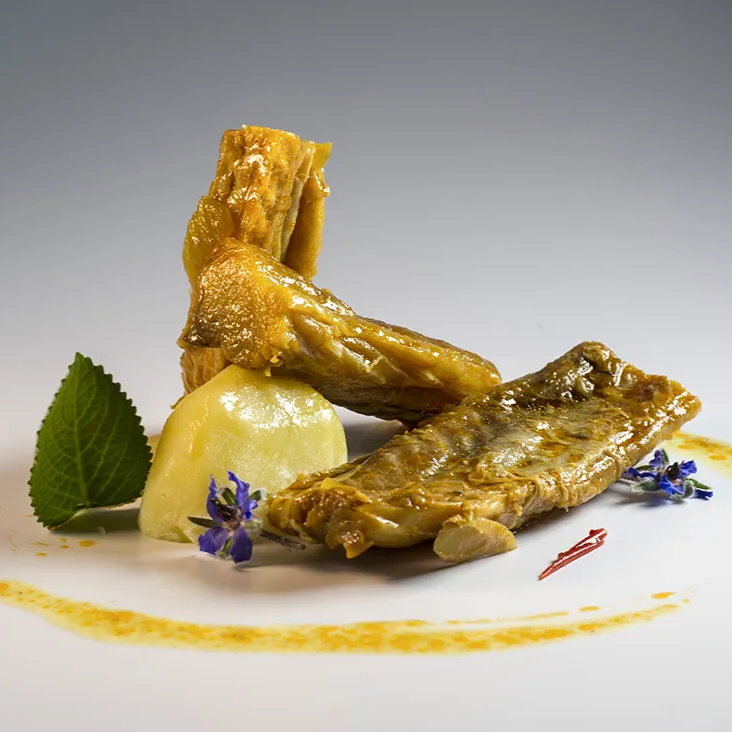
Credits: Macaro FoodTollos en salsa, or tollos in sauce, is a dish that is made with dried and salted dogfish, a type of shark that is abundant in the waters around the island. The fish is soaked in water for several hours to rehydrate and desalt it, and then cooked in a sauce made with garlic, olive oil, vinegar, paprika, cumin, and peppers. The sauce gives the fish a lot of flavor and color, and makes it soft and moist. Tollos in sauce is usually served with potatoes, bread, or gofio, and it is a dish that is very traditional and unique to Gran Canaria. Tollos in sauce is also a dish that is very nutritious and beneficial, as it is high in protein, omega-3 fatty acids, and vitamins.
Conclusion
Gran Canaria has a lot to offer when it comes to gastronomy, as it has a cuisine that is rich, characteristic, and delicious. By trying some of the best Canarian dishes while learning Spanish on the island, you will not only improve your language skills, but also your cultural and culinary knowledge. You will also have a memorable and enjoyable experience that will make you fall in love with Gran Canaria and its people. So, what are you waiting for? Get ready to taste the best of the island!