
Whether you are in Gran Canaria to learn Spanish, on holiday, or as a digital nomad, some places on the island are a must to visit. From sunny beaches to mountain peaks, from famous monuments to archaeological sites, the island has a lot to offer. Here are some of the most relevant points of interest...
10 Interesting Places to Visit in Gran Canaria
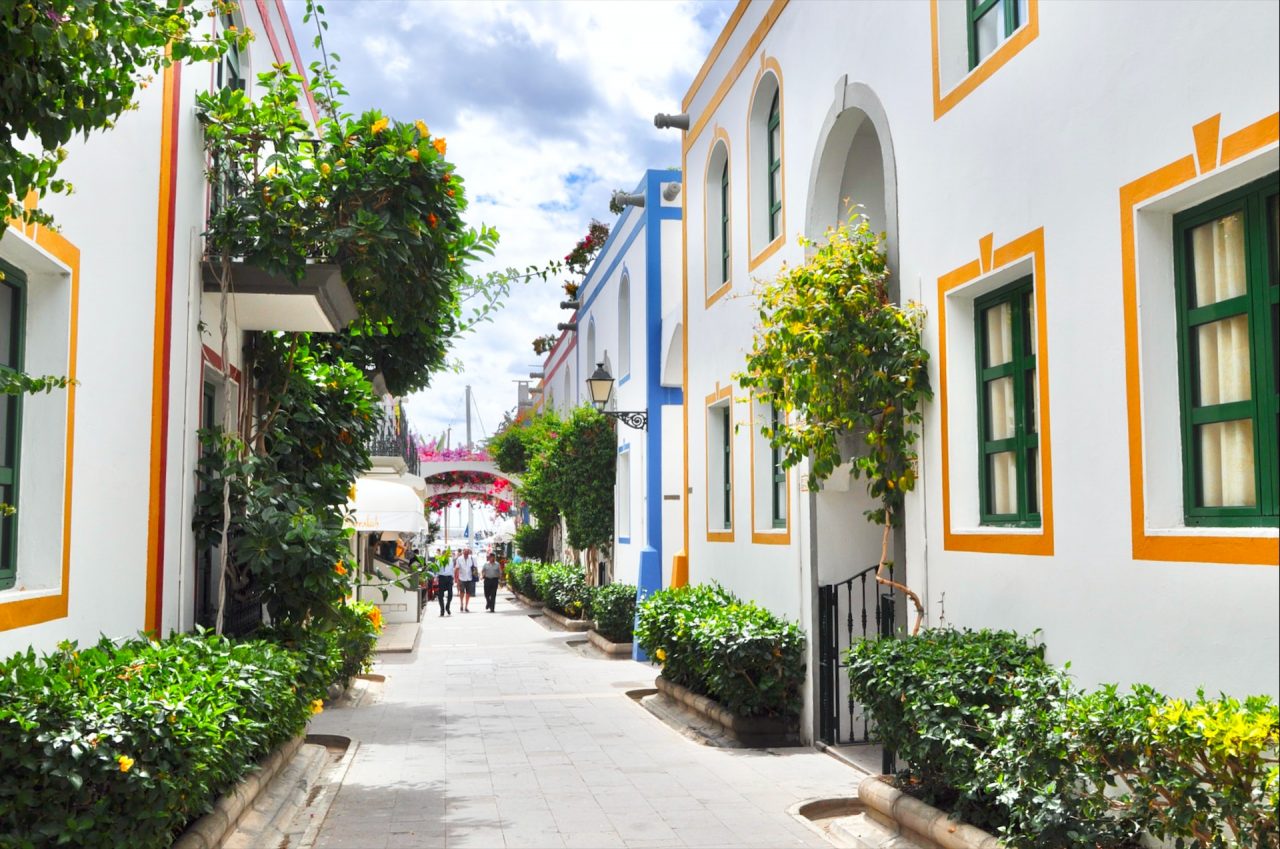
Whether you are in Gran Canaria to learn Spanish, on holiday, or as a digital nomad, some places on the island are a must to visit. From sunny beaches to mountain peaks, from famous monuments to archaeological sites, the island has a lot to offer. Here are some of the most relevant points of interest on the island.
Table of contents
- Roque Nublo
- Casa de Colón
- Puerto de Mogán
- Cueva Pintada
- Las Palmas Cathedral
- Jardín Botánico Viera y Clavijo
- Teror
- Maspalomas Dunes
- Pico de las Nieves
- Palmitos Park
Roque Nublo
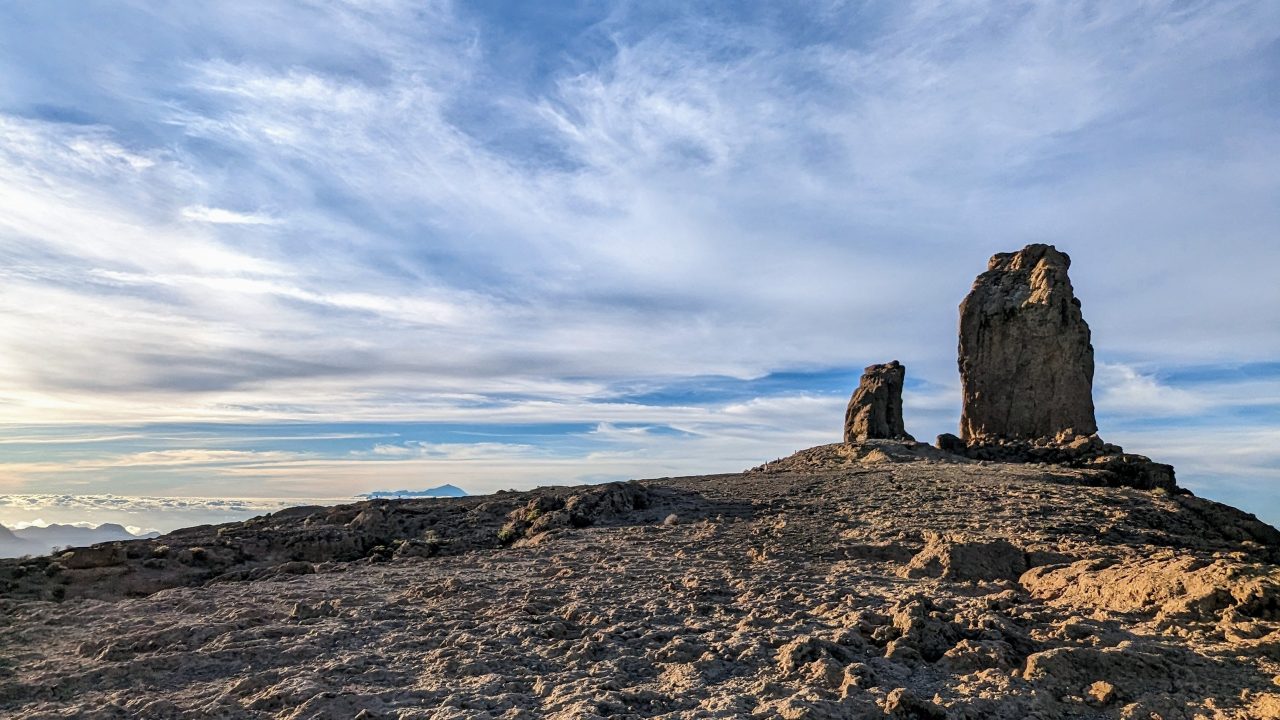
Roque Nublo is a volcanic rock formation located in the municipality of Tejeda in Gran Canaria, Spain. It is considered one of the most emblematic symbols of the island and a protected natural monument since 1994. The Roque Nublo is a monolith that rises 80 meters above its base and 1813 meters above sea level. It was formed by a volcanic eruption around 4.5 million years ago. You can hike to the top of Roque Nublo and enjoy the scenery and the fresh air. From the Roque Nublo, you can enjoy a panoramic view of the island and, on clear days, you can even see the Teide volcano on the neighbouring island of Tenerife. It was used as a sacred site by the Guanches, the aboriginal people of Gran Canaria. Roque Nublo is a must-see attraction for nature lovers and hikers.
Casa de Colón
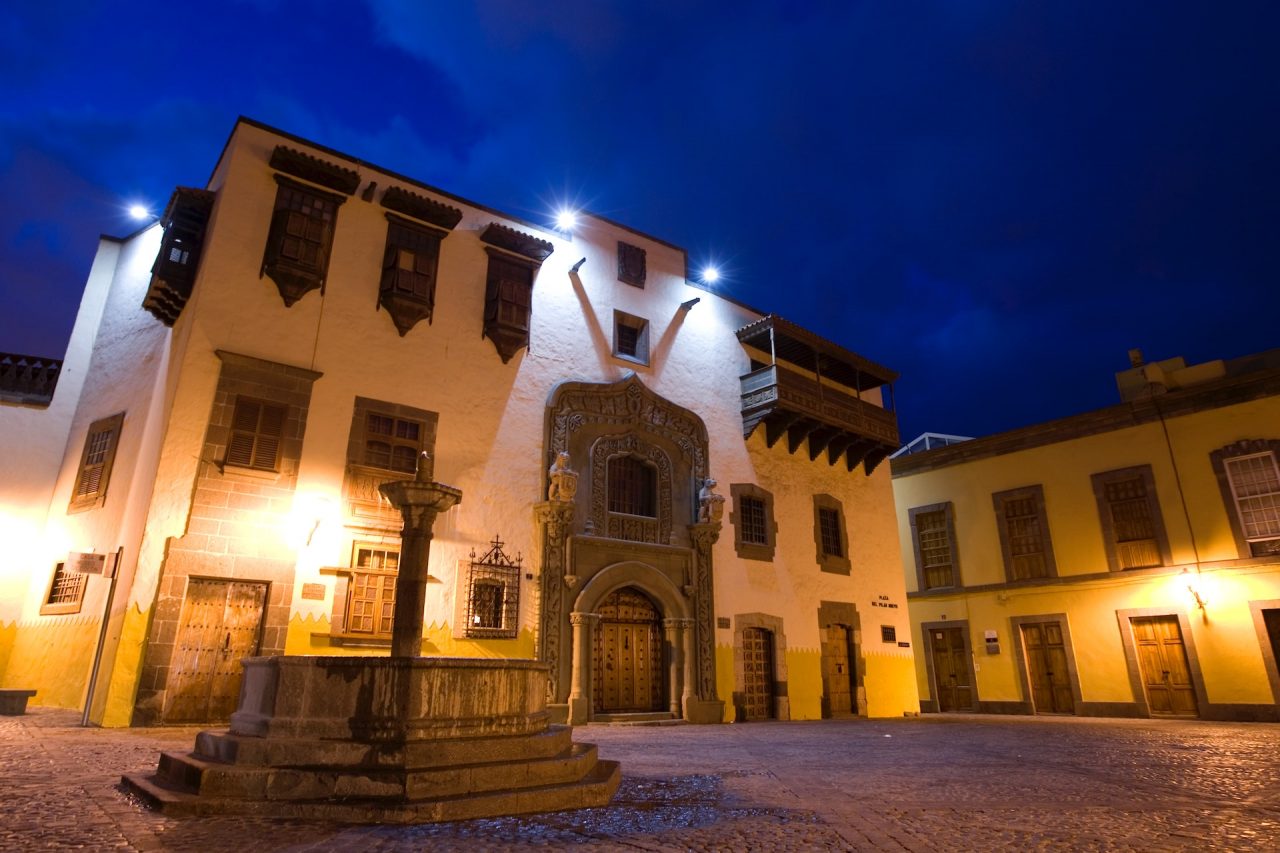
Casa de Colón is a museum located in the historic district of Vegueta in Las Palmas de Gran Canaria, Spain. The museum is housed in a beautiful colonial building that dates back to the 15th century and was once the residence of the island’s governors. The museum is dedicated to the history of Christopher Columbus and his voyages to the Americas. It features a variety of exhibits, including maps, paintings, and artifacts that showcase the relationship between the Canary Islands and the New World. The museum is open every day from 10:00 AM to 6:00 PM.
Puerto de Mogán
Puerto de Mogán is a picturesque fishing village located on the southwest coast of Gran Canaria, Spain. It is known for its colorful buildings, narrow streets, and beautiful marina. The village has been nicknamed the “Little Venice” of Gran Canaria due to its network of canals and bridges that create a romantic atmosphere. Puerto de Mogán is a popular destination for tourists who are looking for a relaxing day by the sea. The beach of Mogán is small but lively, where you can practice a variety of water sports such as kayaking, diving, and paddle surfing
Cueva Pintada

Cueva Pintada is an archaeological site located in the town of Gáldar, Gran Canaria, Spain. The site features a series of caves that were inhabited by the indigenous people of Gran Canaria. The caves are decorated with a variety of geometric patterns and animal figures that are believed to be over 500 years old. Cueva Pintada is a must-visit attraction for history and culture enthusiasts. You can learn about the origins, lifestyle, and beliefs of the first inhabitants of the island. The site also has a museum with exhibits and interactive displays that provide a deeper understanding of the pre-Hispanic art and culture of Gran Canaria.
Las Palmas Cathedral
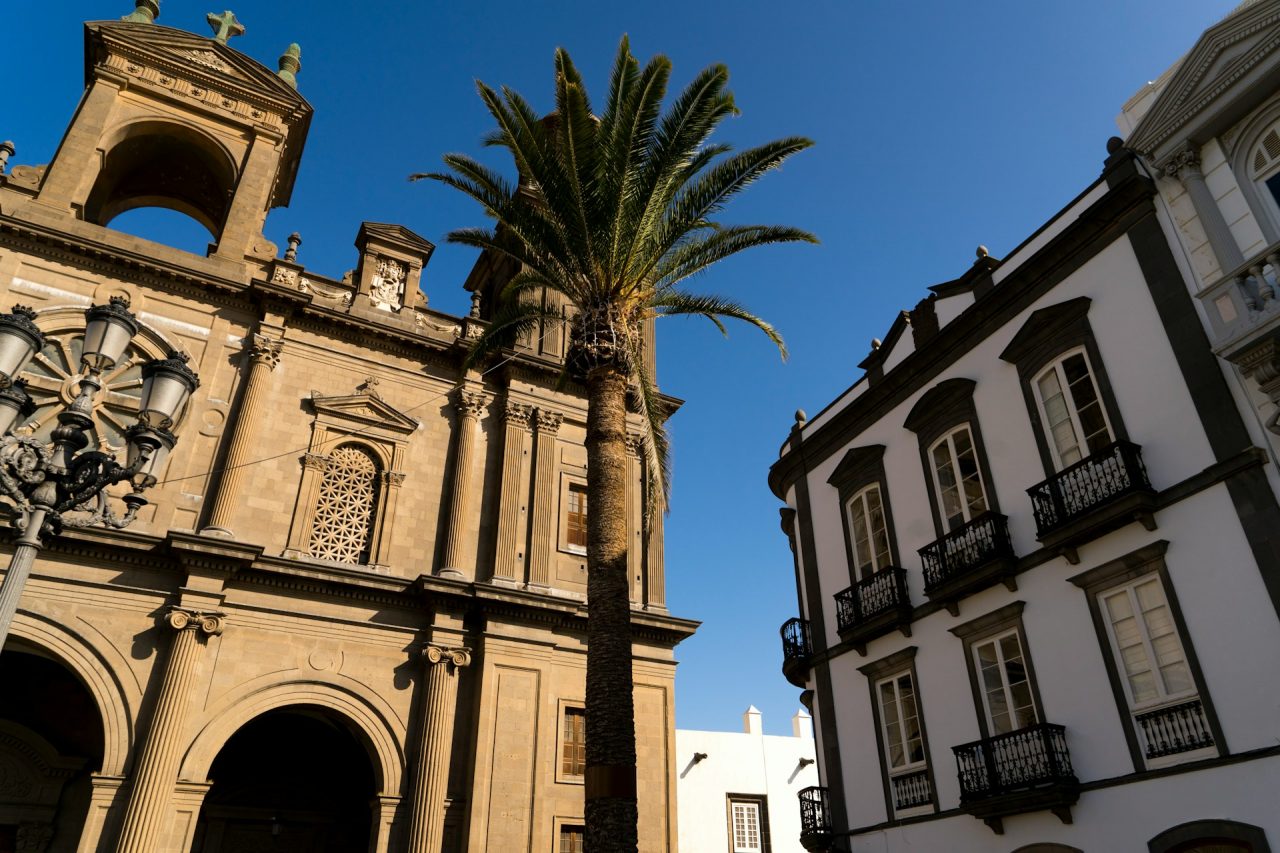
The Cathedral of Santa Ana is a Roman Catholic church located in the heart of Las Palmas de Gran Canaria, Spain. The cathedral was built in the 15th century and features a variety of architectural styles, including Gothic and Neoclassical. It is the see of the Roman Catholic Diocese of Canarias. The cathedral is situated within the Vegueta neighbourhood, next to the Plaza Mayor of Santa Ana. The structure is considered the most important monument of Canarian religious architecture.
Jardín Botánico Viera y Clavijo
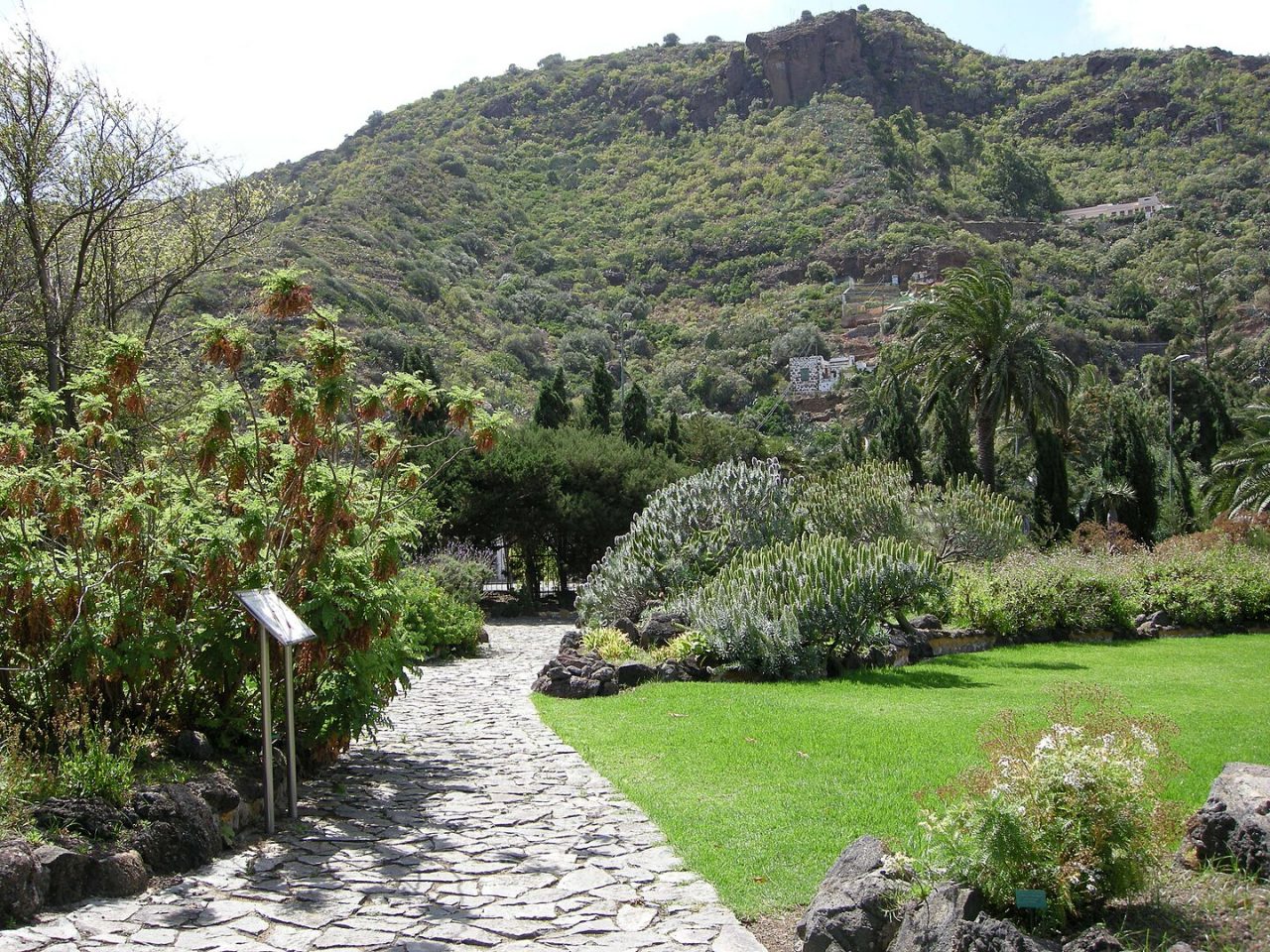

The Jardín Botánico Viera y Clavijo is the largest botanical garden in Spain, located in Gran Canaria, Spain. The garden covers 27 hectares of land and has more than 2,000 species of plants, many of them endemic to the Canary Islands. The garden is named after José de Viera y Clavijo, a naturalist from the 18th century who wrote the “Diccionario de Historia Natural de las Islas Canarias”. The garden is a must-visit attraction for nature lovers and botanists.
Teror
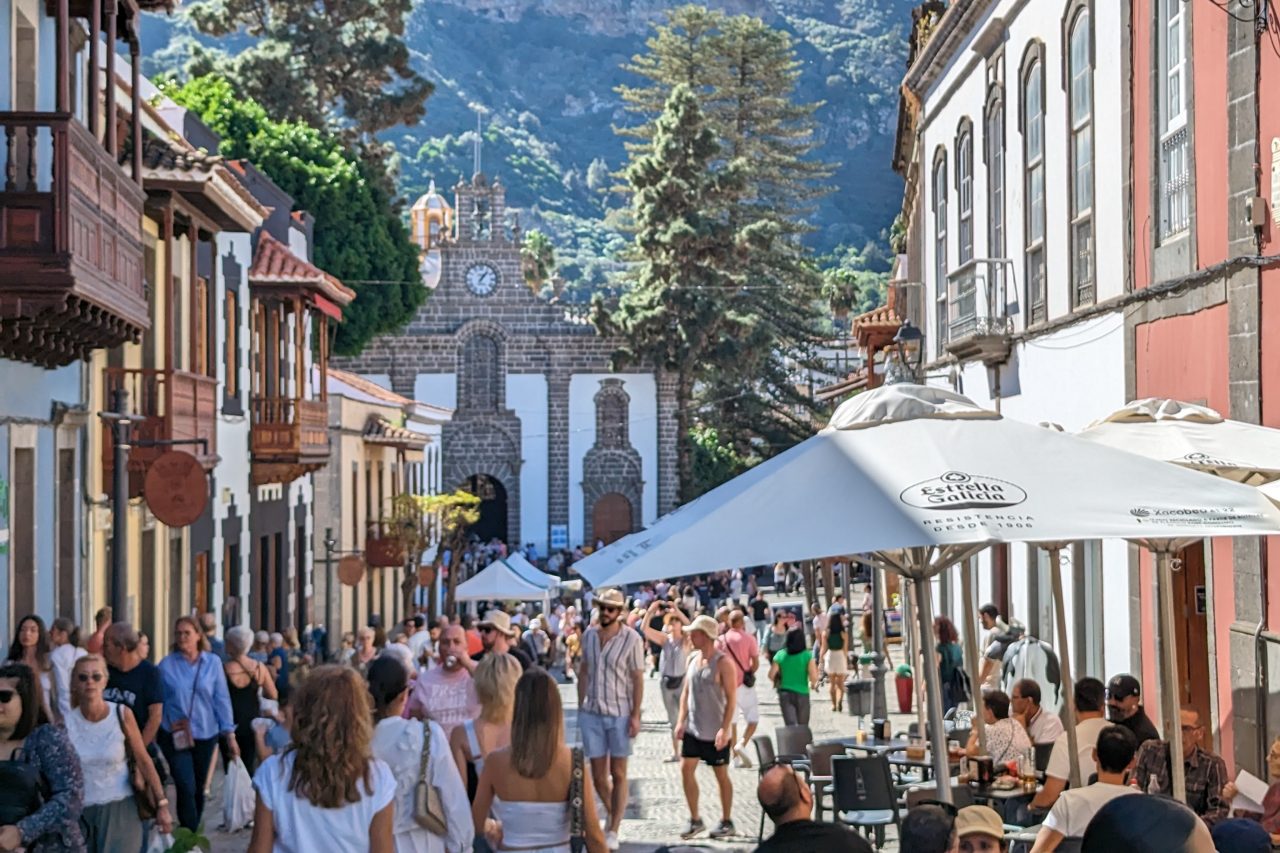
Teror is a small town located in the central eastern region of Gran Canaria, Spain. It is devoted to the Virgin Mary, patron of the island, and has a rich historical and natural heritage. The town is home to the “Basilica of Nuestra Señora del Pino” and the “Museo de los Patronos de la Virgen”. It also offers various natural attractions, such as the Pino Santo Crater, the Osorio Estate and the La Fuente Agria. The sunday market of Teror is one of the oldest and most popular markets in Gran Canaria. It takes place every Sunday from 8:00 AM to 2:00 PM in the surroundings of the Basilica. The market offers a wide variety of products, including fresh fruits and vegetables, local cheeses, handicrafts, and souvenirs. You can also find typical pastries, the famous sweet black pudding, and the “chorizos de Teror” (a type of spiced sausage spread).
Maspalomas Dunes
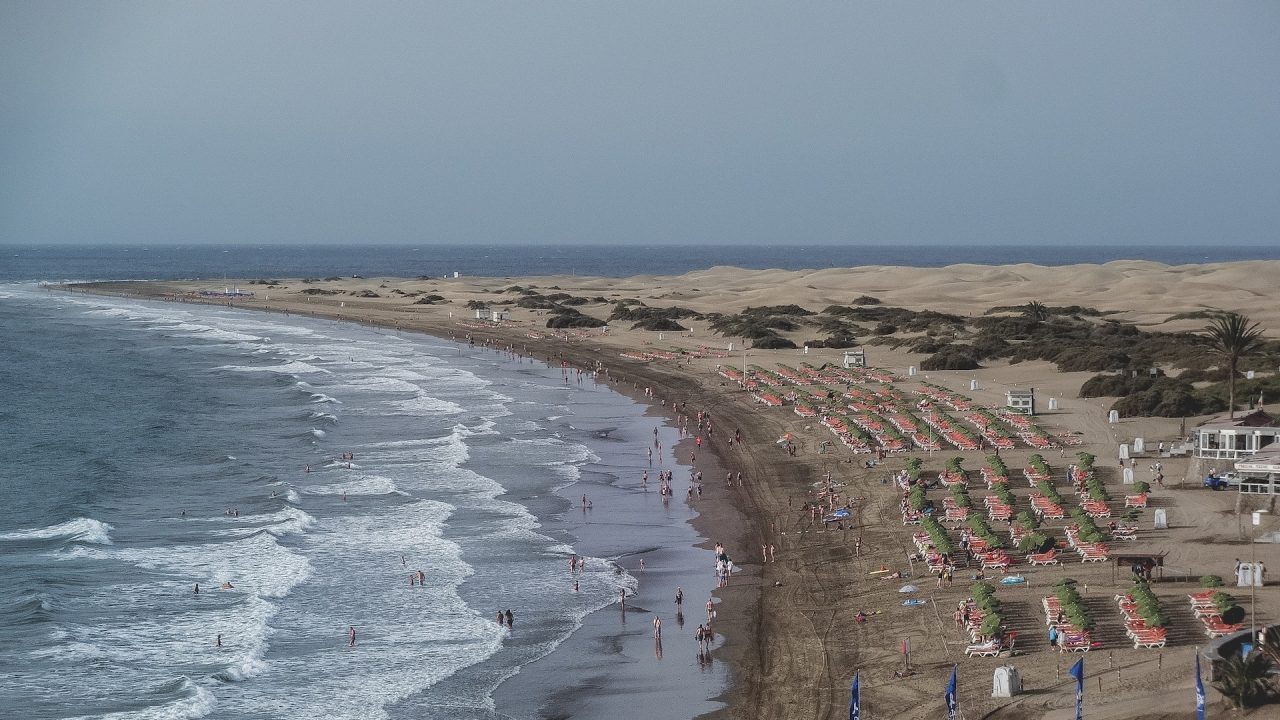
The Maspalomas Dunes are a protected nature reserve located in the south of Gran Canaria, Spain. The dunes occupy an area of around 400 hectares and are an authentic sea of golden sand that covers part of the south of the island. The dunes were formed by sand from the subdued marine shelf and blown by the wind. The area is one of the most popular tourist centers on the island and the sand dunes play a big role in the popularity of the resorts developed around them.
Pico de las Nieves
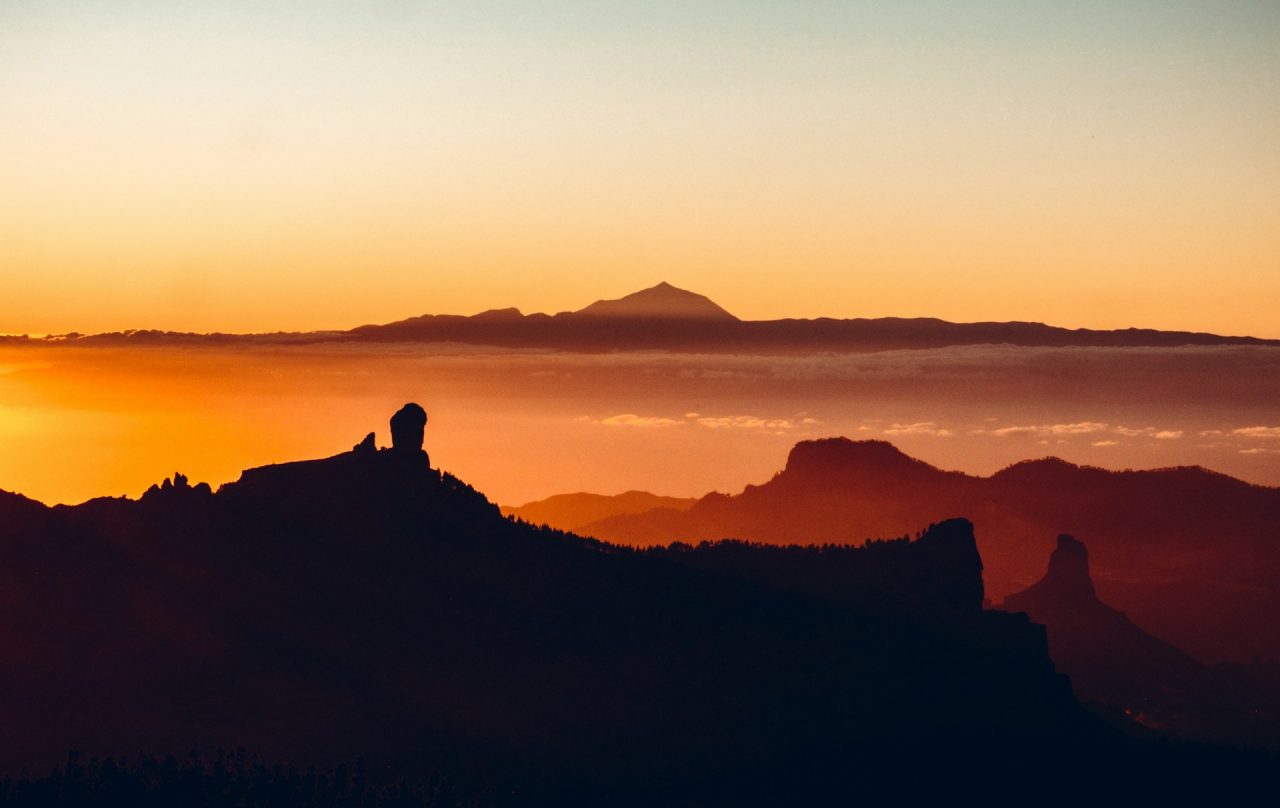
Pico de las Nieves is the highest peak in Gran Canaria, Spain, with an altitude of 1,949 meters above sea level. It is a stratovolcano that was formed by a volcanic eruption around 4.5 million years ago. The summit of Pico de las Nieves is largely fenced off, because it’s a military base. Nonetheless, visitors have access to a south-facing viewpoint atop the mountain. The viewpoint offers uninterrupted views of the Unesco Biosphere Reserve, with its innumerable deep valleys and jagged ridges full of vegetation and crowned with spectacular rocks.
Palmitos Park
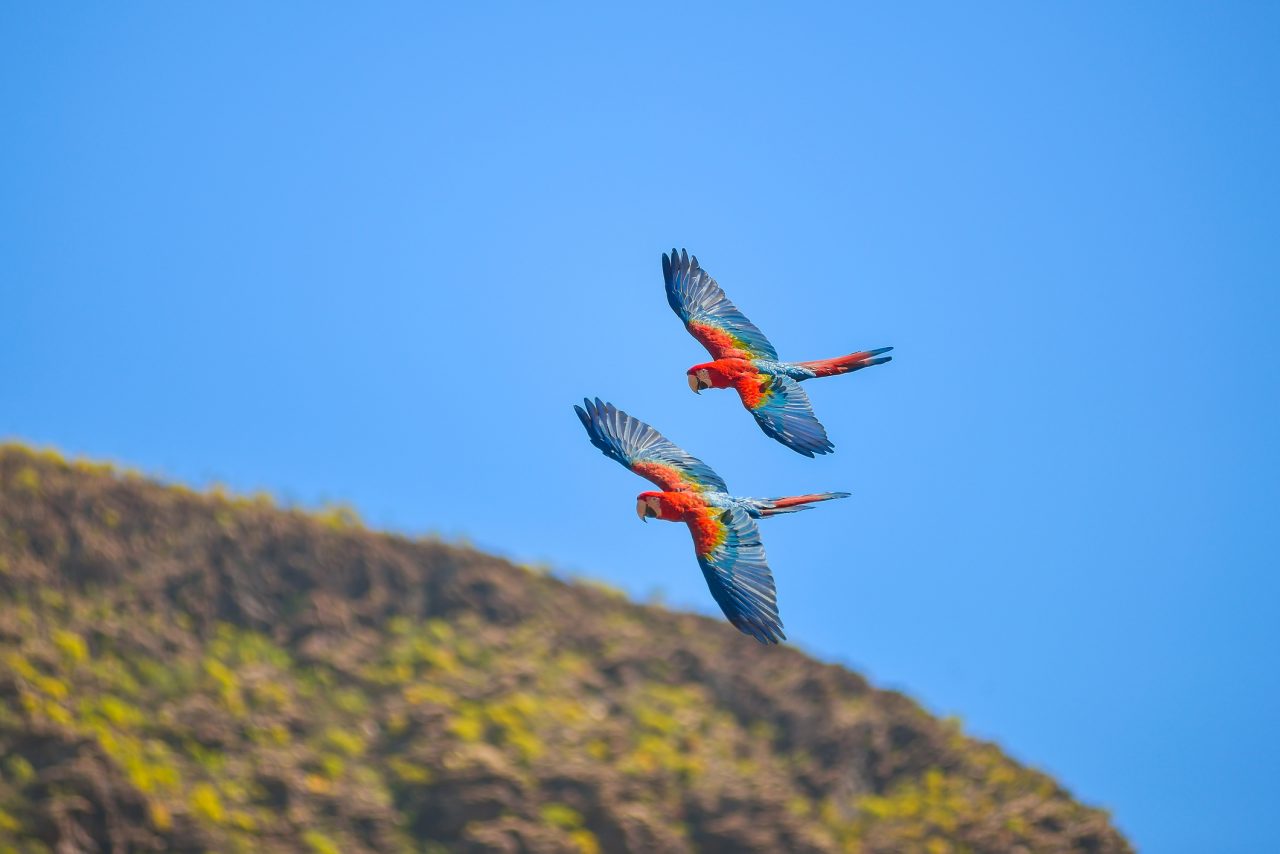
Palmitos Park is a 20-hectare botanical garden, aviary and zoo located in Maspalomas. The park is home to a wide variety of animals, including exotic birds, dolphins, and reptiles. You can also enjoy a variety of shows and attractions, such as the butterfly house and the aquarium. Palmitos Park is a must-visit attraction for nature lovers and animal enthusiasts. You can learn about the diversity of flora and fauna, watch the animals in their natural habitats, or interact with them in a safe and respectful way. The park also offers educational programs for children and adults, as well as special events and activities throughout the year.