
Language learning goes hand in hand with learning the culture, history and traditions of the locals. Immersing yourself in the cultural fabric will make the learning experience more dense and valuable. The Canary Islands has always been the focus of numerous tales throughout its history, some of which still survive today. These have been passed...
Mysteries and Legends from the Canary Islands
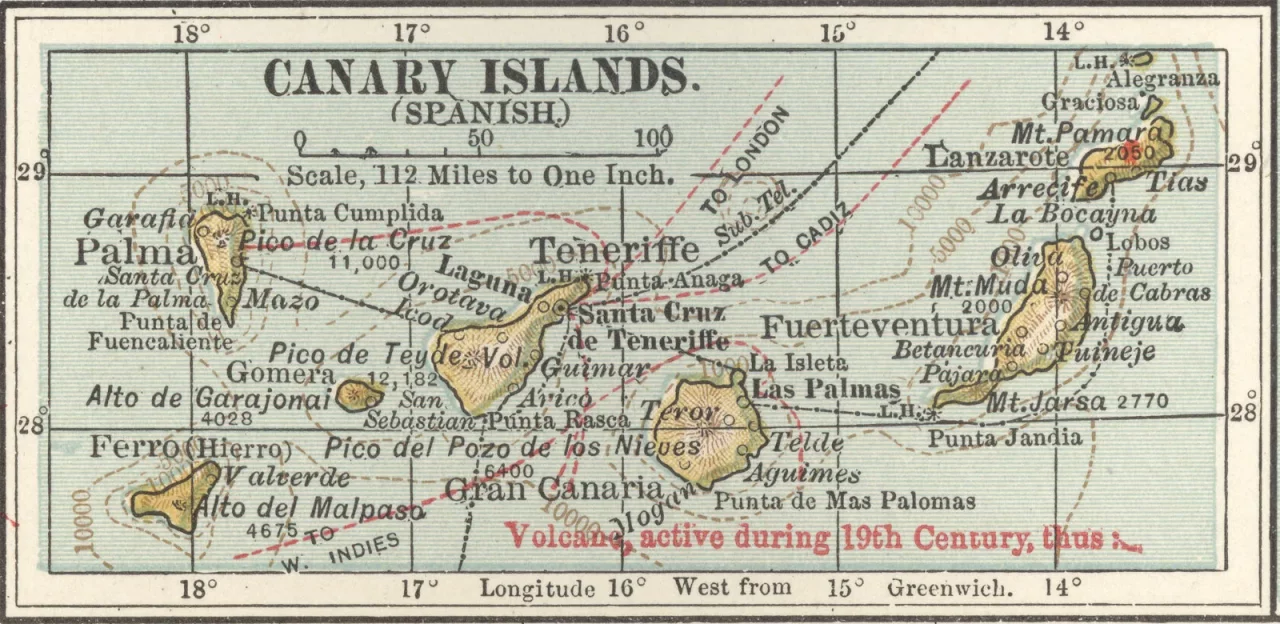
Language learning goes hand in hand with learning the culture, history and traditions of the locals. Immersing yourself in the cultural fabric will make the learning experience more dense and valuable. The Canary Islands has always been the focus of numerous tales throughout its history, some of which still survive today. These have been passed down from generation to generation, based on beliefs, inexplicable phenomena for some and a source of imagination in other cases.
We will start with the love of Gara and Jonay, a tragic love story that took place on the island of La Gomera. We will then move on to the curse of Laurinaga, that was apparently put on the island of Fuerteventura. Next, we will delve into the legend of Bentejuí, the most famous Guanche warrior. We will also explore the mysterious whistling language, Silbo Gomero, or the whistling language of La Gomera, a unique form of communication that has been used by the inhabitants of the island for centuries. Finally, we will take a look at the pyramids of Güímar, six step pyramids located in the town of Güímar on the island of Tenerife, whose exact origin and purpose are still a mystery.
Table of contents
- The Love of Gara and Jonay
- The Curse of Laurinaga
- The Legend of Bentejuí
- The Mysterious Whistling Language
- The Pyramids of Güímar
The Love of Gara and Jonay
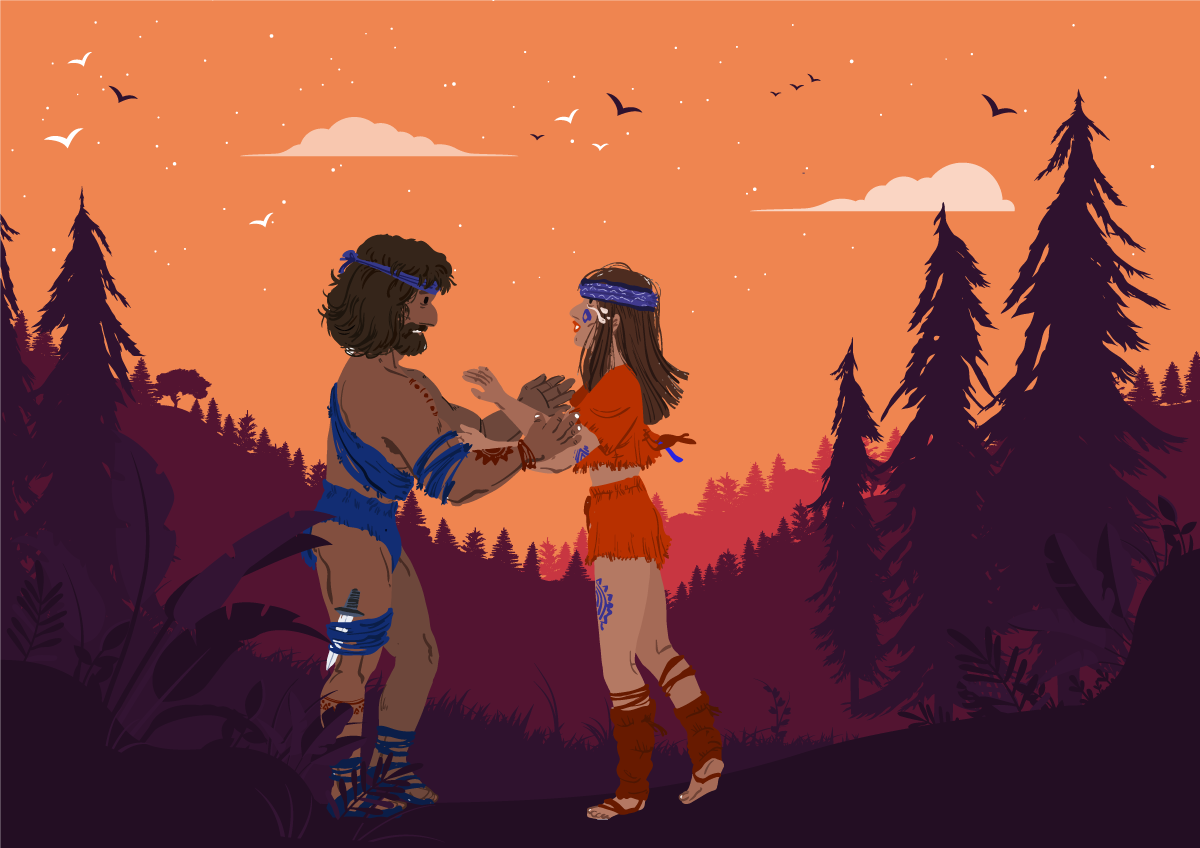
Gara was the princess of Agulo, a town in La Gomera, one of the Canary Islands. She was beautiful and intelligent, and she was curious about her destiny. One day, she went to the Epina jets, a source of water that was said to have magical properties. She looked at her reflection in the water, and saw that it was clear and calm, which meant that she would find true love soon.
Jonay was the prince of Adeje, a town in Tenerife, another Canary Island. He was brave and handsome, and he was adventurous and restless. He wanted to explore other lands and cultures. One day, he sailed to La Gomera, where he met Gara at a festival. They fell in love at first sight, and decided to get married. However, their love was not approved by their families or their gods. A priest warned Gara that her love would bring disaster, and a volcano erupted in Tenerife, turning the sea red. Gara’s father tried to separate them, and sent Jonay back to his island.
But Jonay could not forget Gara, and he returned to La Gomera on a raft. Together, they fled to the mountains, where they hid in a cave. But they were pursued by their enemies, who wanted to capture and punish them. They realized that they had no escape, and that they would rather die than live apart. They took a sharp stick, and stabbed themselves in the heart, while embracing each other. They died as lovers, and their blood soaked the land.
Their names were joined together, and gave rise to the name of the “Garajonay National Park”, a UNESCO World Heritage Site that preserves the ancient laurel forest of La Gomera. Their legend is still remembered and celebrated by the people of the Canary Islands, as a symbol of passion, courage, and loyalty.
The Curse of Laurinaga
The legend dates back to the 15th century, when the Spanish conquistadors arrived to take over the islands. Pedro Fernández de Saavedra, the lord of the Canary Islands, was a brave warrior and a notorious womanizer. He had many affairs with the native women of the islands, known as the Guanches, and fathered many illegitimate children. One of his lovers was Laurinaga, a beautiful Guanche woman who gave birth to his son.
However, Pedro Fernández de Saavedra soon married another woman, Constanza Sarmiento, and abandoned Laurinaga and their son. He never recognized them as his family, and they lived in poverty and disgrace. Years later, one of Pedro’s legitimate sons, Luis Fernández de Herrera, inherited his father’s charm and arrogance. He was especially infatuated with a girl named Fernanda. He invited her to a hunt organized by his father, and tried to seduce her. Fernanda resisted and screamed for help.
A young Guanche farmer, who was working nearby, heard her cries and rushed to her rescue. He fought with Luis and managed to disarm him. He was about to kill him with his own dagger, when Pedro Fernández de Saavedra arrived and saw the scene. He intervened and killed the farmer with his sword. At that moment, an old Guanche woman appeared and revealed a shocking truth. She was Laurinaga, the mother of the farmer, and also the former lover of Pedro Fernández de Saavedra. The farmer was their son, and Luis’s half-brother. Pedro had killed his own son, without knowing it.
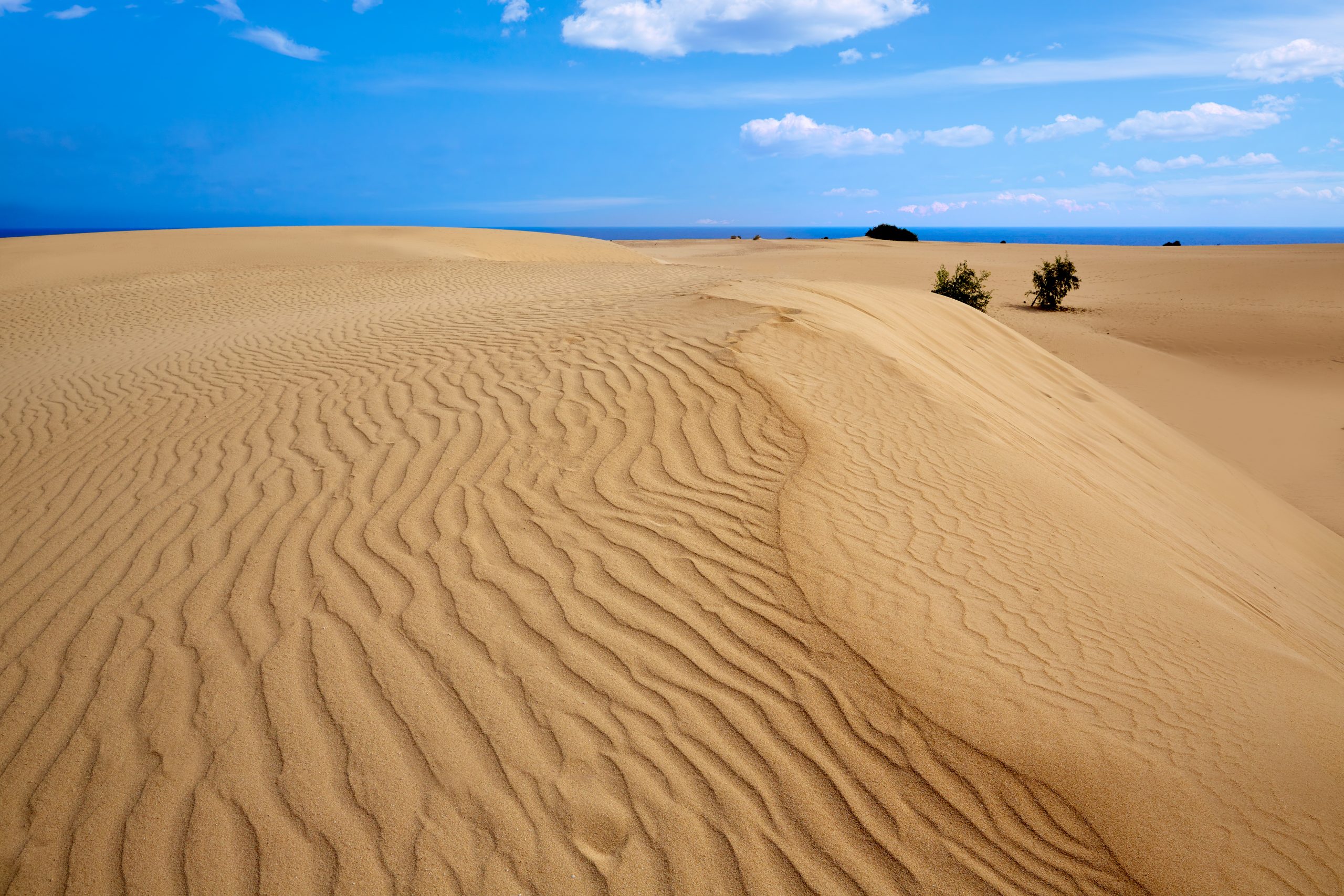
Laurinaga was devastated by the loss of her son, and cursed Pedro and his land. She invoked the Guanche gods and asked them to punish Pedro and his descendants, and to destroy Fuerteventura. She said that the island would be plagued by strong winds from the Sahara desert, that would dry up the vegetation and the water, and that the island would eventually disappear. According to the legend, after Laurinaga’s curse, the winds started to blow over Fuerteventura, and the island became arid and barren.
The Legend of Bentejuí
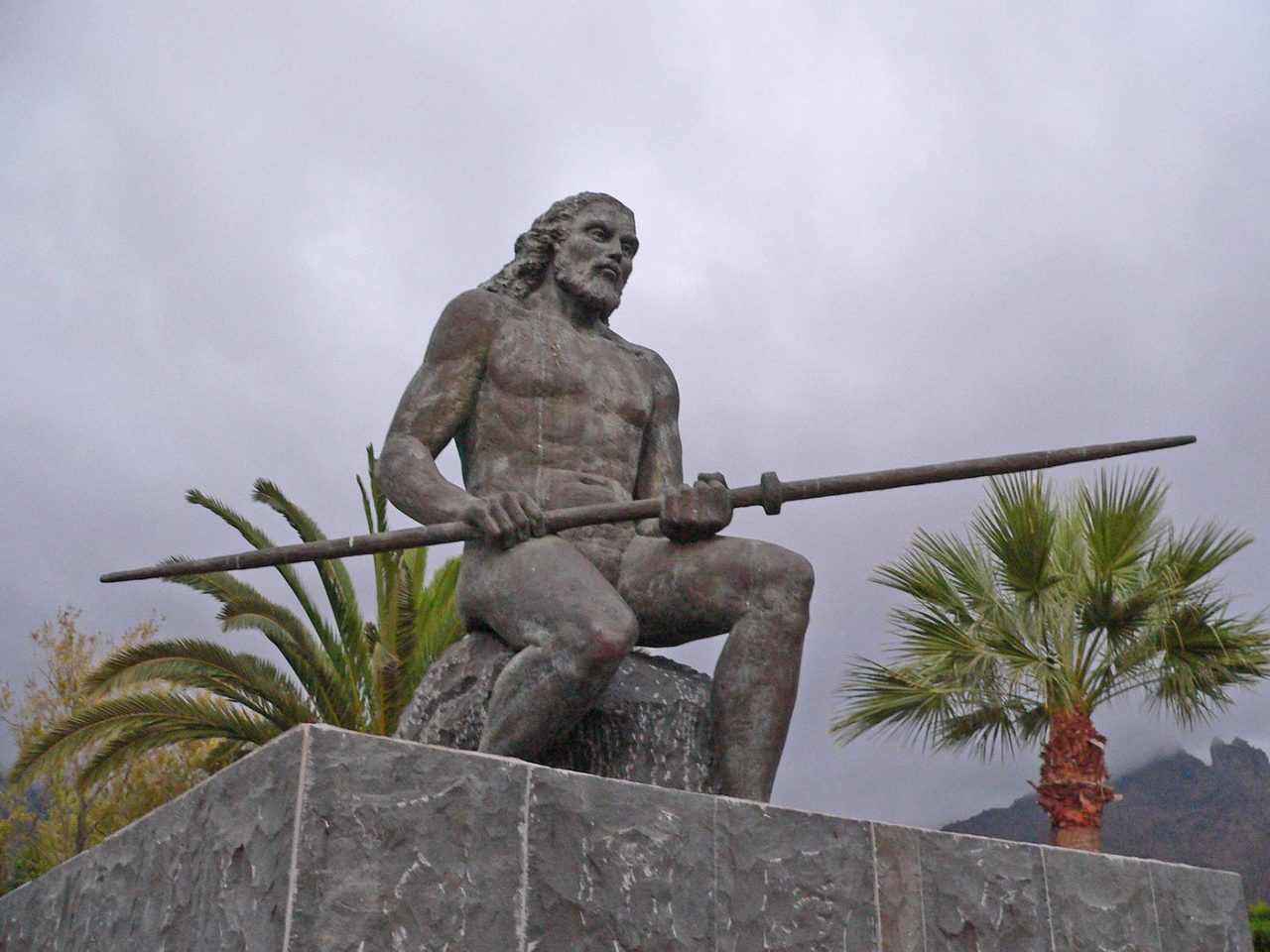
Bentejuí was the son of the king of Telde, one of the two kingdoms that divided the island of Gran Canaria. He was also the cousin of Tenesor Semidan, the king of Galdar, the other kingdom. He was a brave warrior and a respected leader of the Guanches, who resisted the Spanish invasion of the islands in the 15th century. Bentejuí fought in many battles against the Spanish conquistadors, and he was known for his skill and strength. He was also loyal to his people and his culture, and he refused to surrender or accept the Spanish rule.
When the Spanish captured Tenesor Semidan, they forced him to sign a treaty that gave up the sovereignty of the island. Tenesor Semidan tried to convince Bentejuí and the other Guanches to accept the treaty and end the war, but Bentejuí rejected his proposal. He decided to continue the fight, and he gathered the remaining Guanches in the fortress of Ansite, a rocky mountain in the center of the island. There, Bentejuí and his followers made their last stand against the Spanish army. They defended the fortress with bravery and honor, but they were outnumbered and outmatched. The Spanish surrounded the fortress and attacked it with cannons and muskets. The Guanches fought back with stones and spears, but they could not resist the firepower of the enemy.
The Spanish offered Bentejuí and the other Guanches a chance to surrender and live as subjects of the Spanish crown, but Bentejuí refused to give up his freedom and his dignity. He chose to die as a hero, rather than live as a slave. He and his companion, the Faycan of Telde, the spiritual leader of the Guanches, jumped from the cliff of the fortress, shouting “Atis Tirma!”, which means “For you, land!” in the Guanche language. They died as martyrs, and they became legends.
Bentejuí was the last hero of the Guanches, and his story is still remembered and honored by the people of the Canary Islands. He represents the spirit of resistance, the pride of identity, and the love of the land. He is a symbol of the Canarian culture and history.
The Mysterious Whistling Language
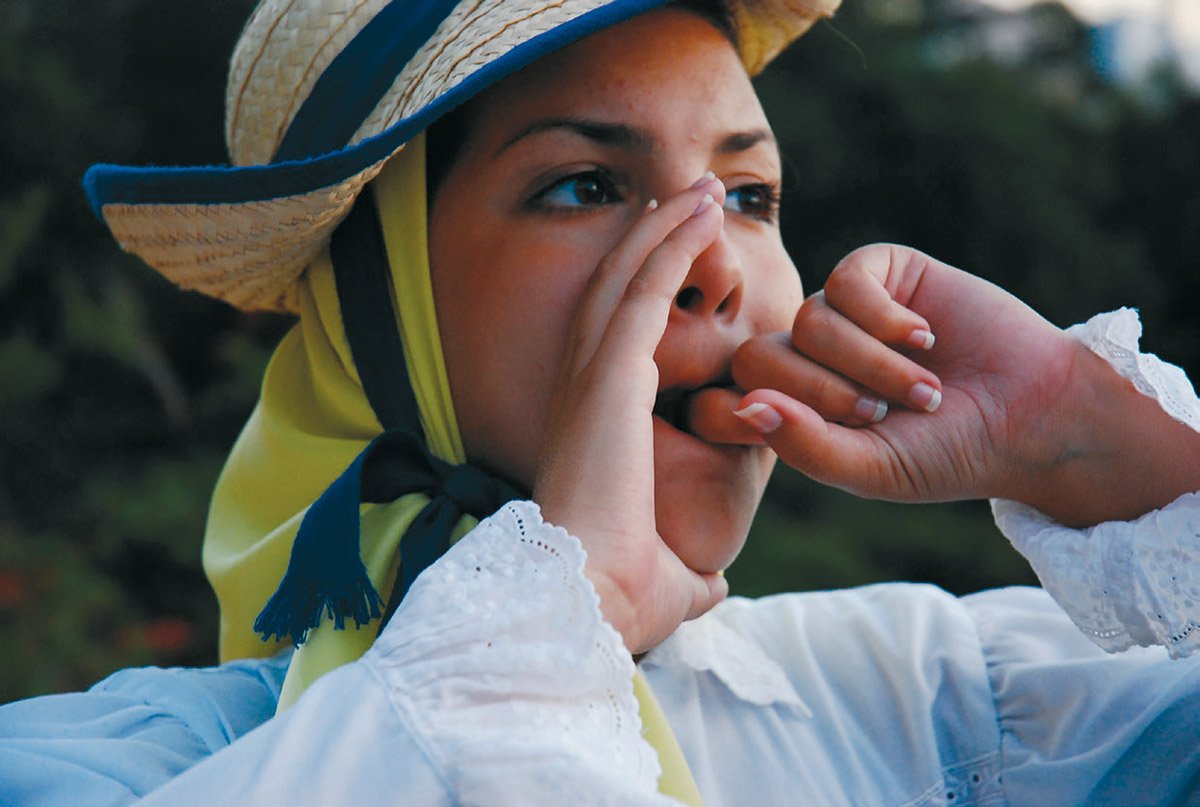
Silbo gomero is a whistled language that is used by the inhabitants of La Gomera, one of the Canary Islands, to communicate across the deep ravines and narrow valleys that radiate through the island. It is a whistled register of Spanish, which means that it uses the same vocabulary and grammar as Spanish, but with a different sound system. Instead of using the vocal cords, silbo gomero uses the lips, the tongue, and the fingers to produce whistles that can replace the vowels and the consonants of Spanish. These whistles can travel up to five kilometres away and convey complex messages.
Silbo gomero has a long and rich history that dates back to the pre-Hispanic times, when the island was inhabited by the Guanches, the indigenous people of the Canaries. They used a whistled language that was probably derived from their own spoken language, which is now extinct. After the Spanish conquest of the islands, the Guanches adapted the whistled language to the new sounds and words of Spanish. Thus, silbo gomero was born as a whistled version of Spanish.
It was transmitted from generation to generation, as part of the island’s cultural heritage. However, in the 20th century, it faced a serious decline due to several factors, such as the economic crisis, the emigration of many islanders, the introduction of new technologies, and the negative perception of the language. By the 1970s, silbo gomero was on the verge of extinction, with only a few elderly speakers left.
Fortunately, in the late 1990s, a movement to revitalize this language emerged, thanks to the efforts of some local activists, educators, and researchers. They started to promote silbo gomero as a symbol of the island’s identity and a source of pride for the community. They also initiated several initiatives to preserve and transmit the language, such as creating associations and groups of whistlers, organizing festivals and competitions, developing educational programs and materials, conducting scientific studies and documentaries, and seeking official recognition and protection for the language. In 2009, UNESCO declared silbo gomero a “Masterpiece of the Oral and Intangible Heritage of Humanity”.
Today, more than 22,000 people speak silbo gomero, including many children and young people who learn it at school or from their families. Silbo gomero is not only a useful tool for communication, but also a way to express the island’s culture, history, and identity.
The Pyramids of Güímar
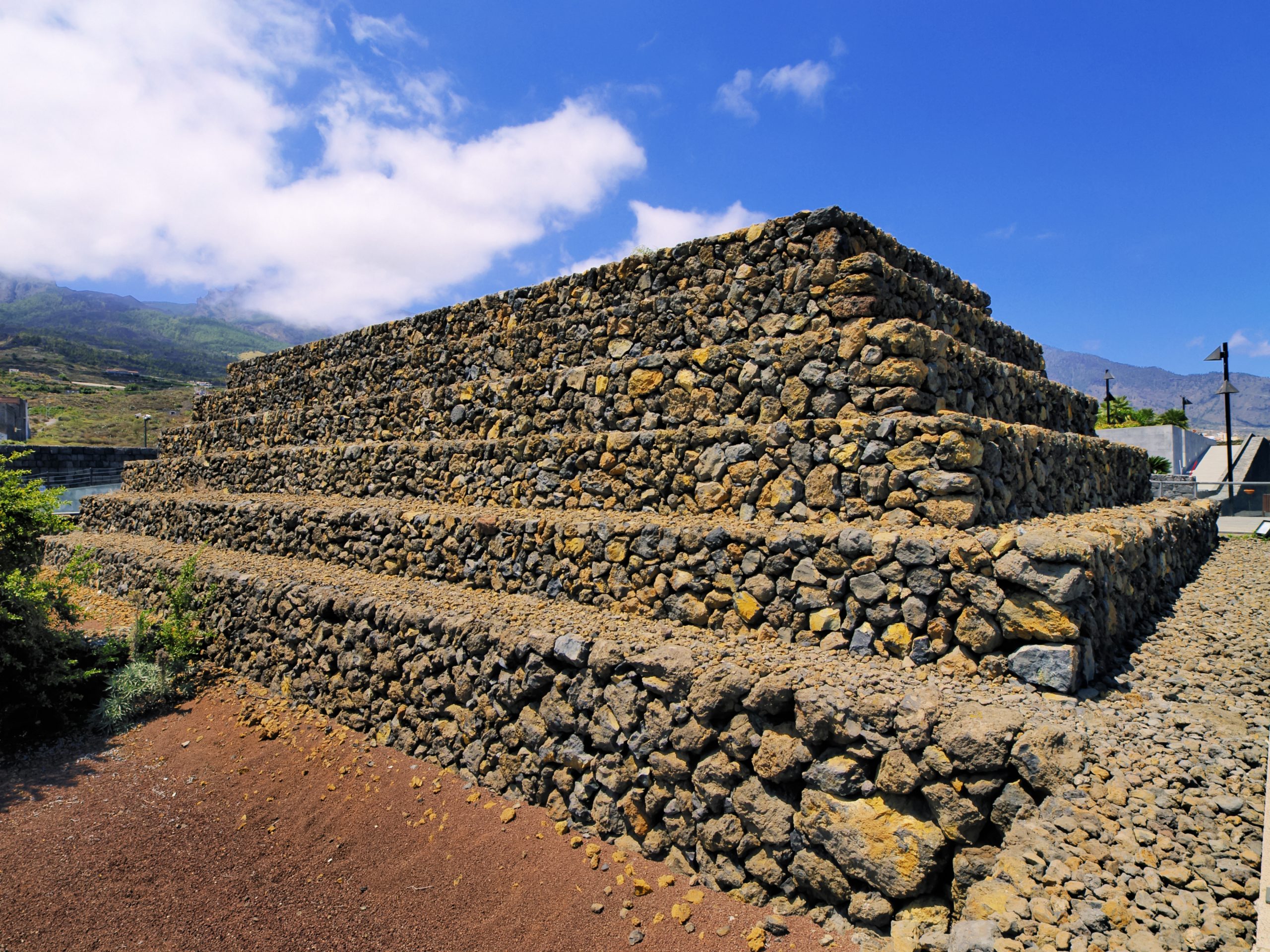
The pyramids of Guimar are six rectangular, terraced structures that resemble the pyramids of Egypt or Mexico. They are built without mortar, using only stones of different sizes and shapes. They stand as high as 12 metres and have stairs on their western side. They are aligned with the solstices, meaning that they mark the direction of the sunrise and sunset on the longest and shortest days of the year.
Who built the pyramids of Guimar and when? This is the most intriguing question about the pyramids, and there is no definitive answer. Some people think that they are just piles of stones that farmers cleared from their fields in the 19th century. Others believe that they were built by the Guanches, the original inhabitants of the Canary Islands, before the Spanish conquest. There are also pseudo-scientific theories that suggest a connection between the pyramids and ancient civilizations such as Egypt, Maya or Atlantis.
The pyramids of Guimar are not only a historical and archaeological mystery, but also a cultural and natural attraction. They are part of an ethnographic park that was founded by Thor Heyerdahl, a famous explorer and anthropologist who studied the pyramids and their possible links to other cultures.
The pyramids are easy to reach by car, as they are located near the TF-1 motorway that connects the north and south of Tenerife. You can also take a bus from Santa Cruz de Tenerife or from the south of the island.